Danny Leyland: The Map Maker's Colours
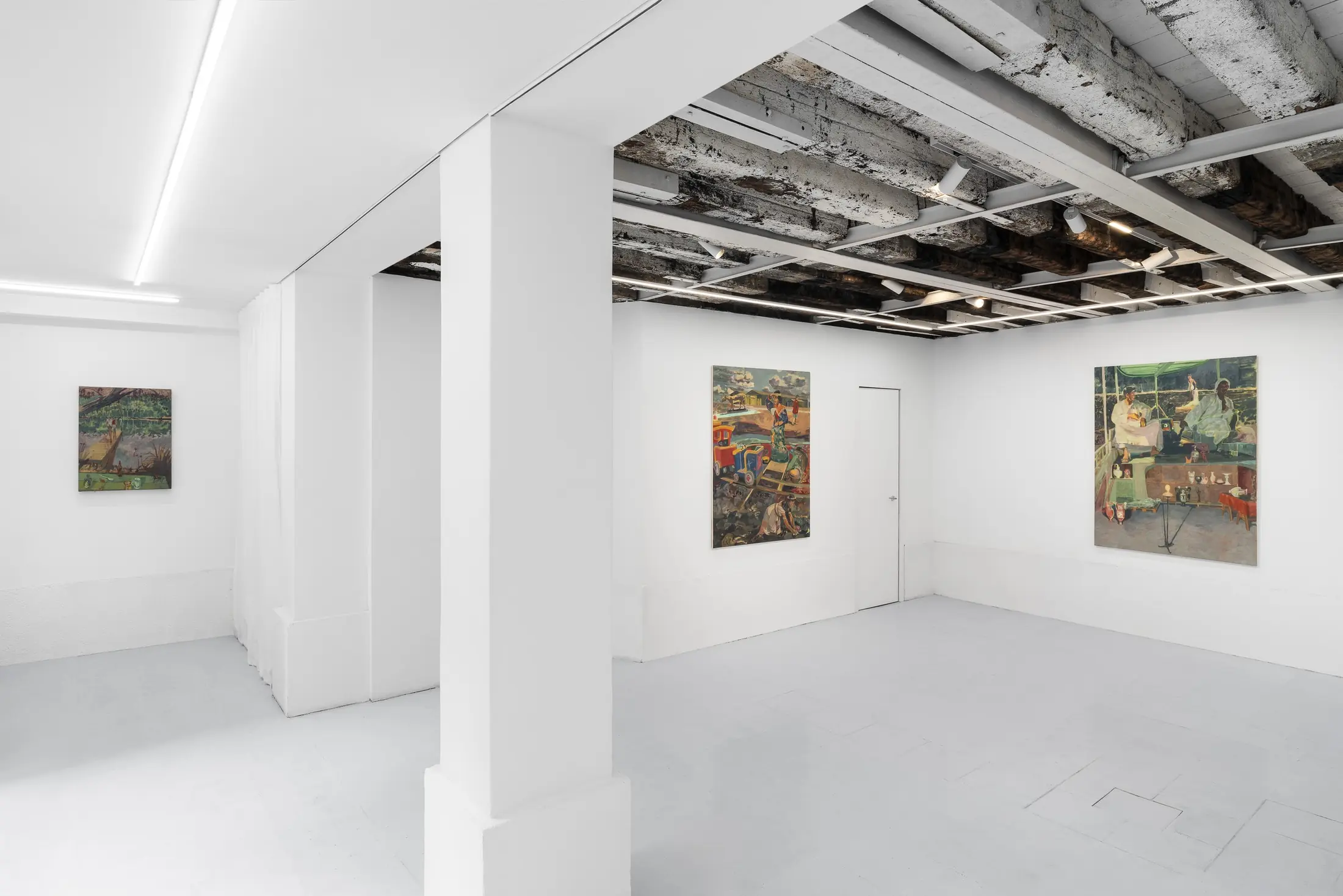
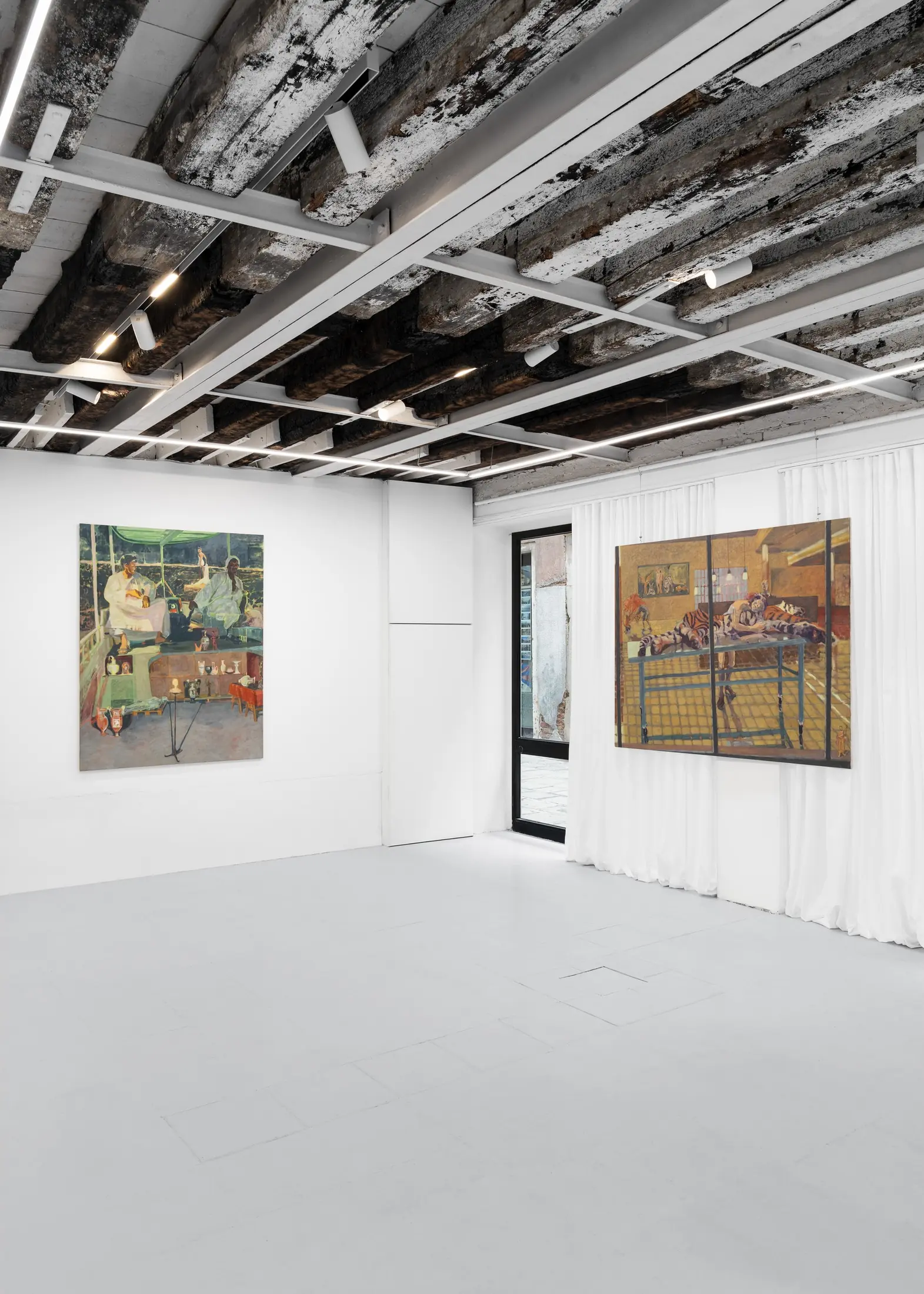
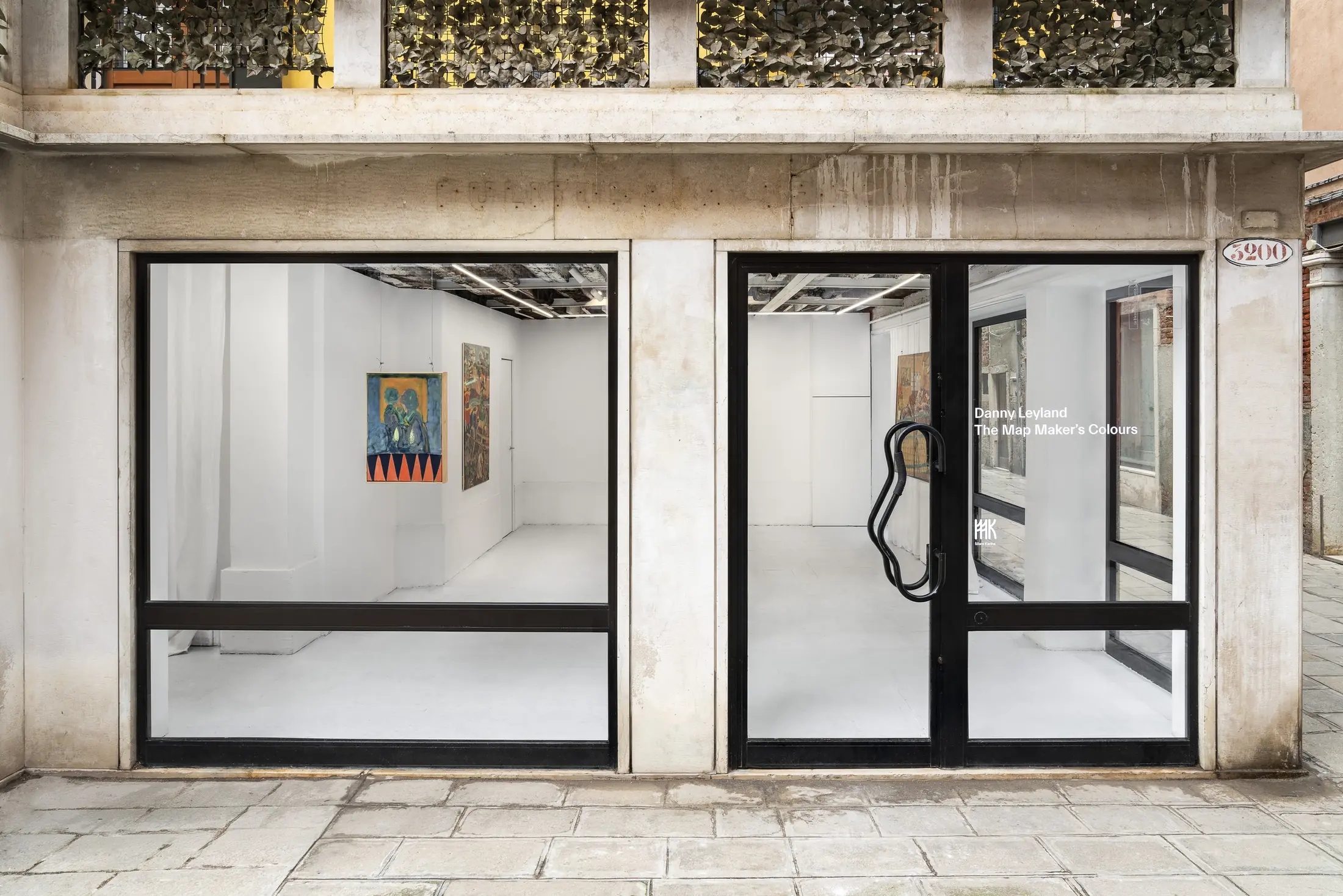
Mare Karina is delighted to announce The Map Maker’s Colours, the first exhibition in Italy by British artist Danny Leyland (b. 1994, Oxford).
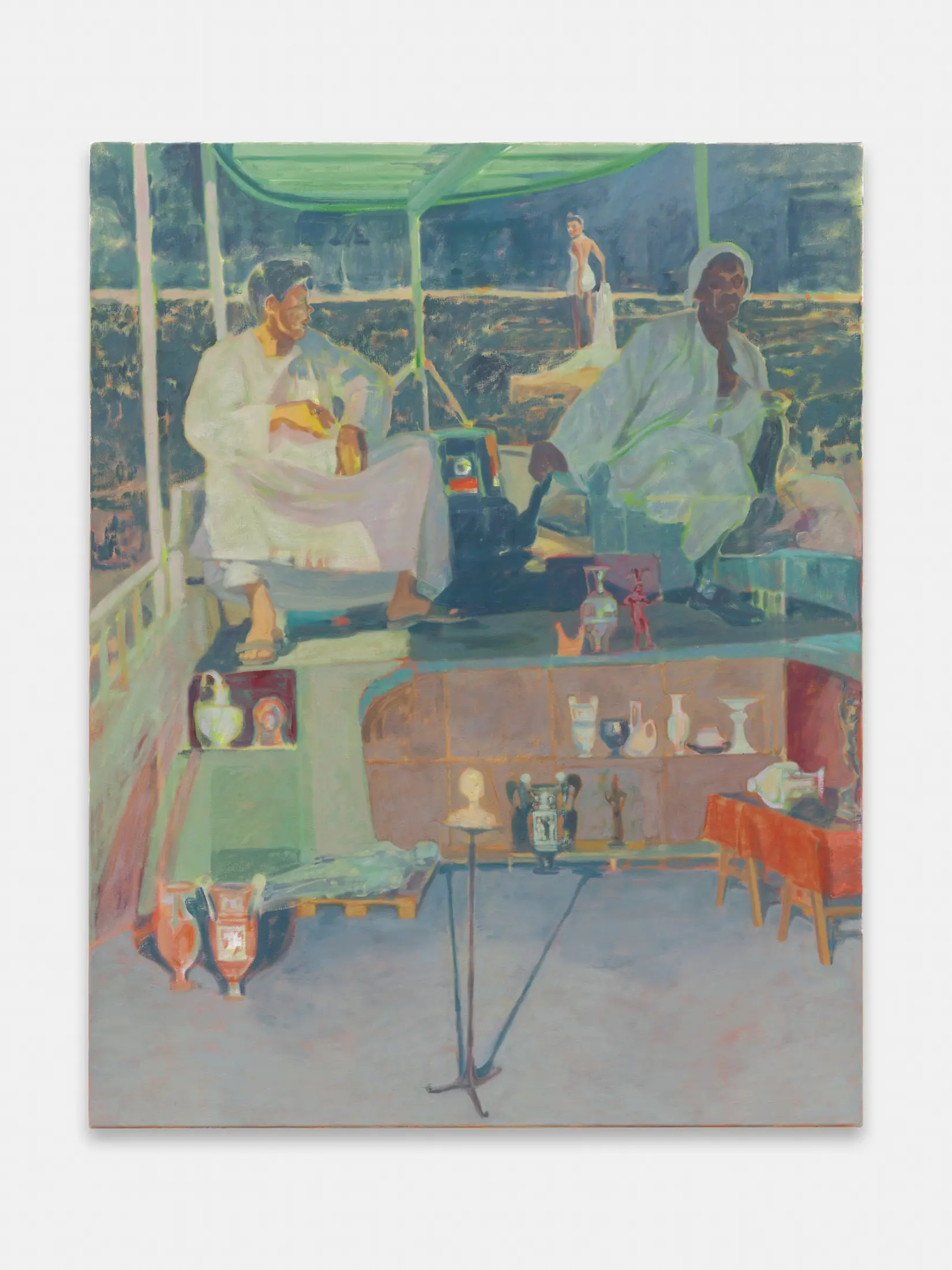
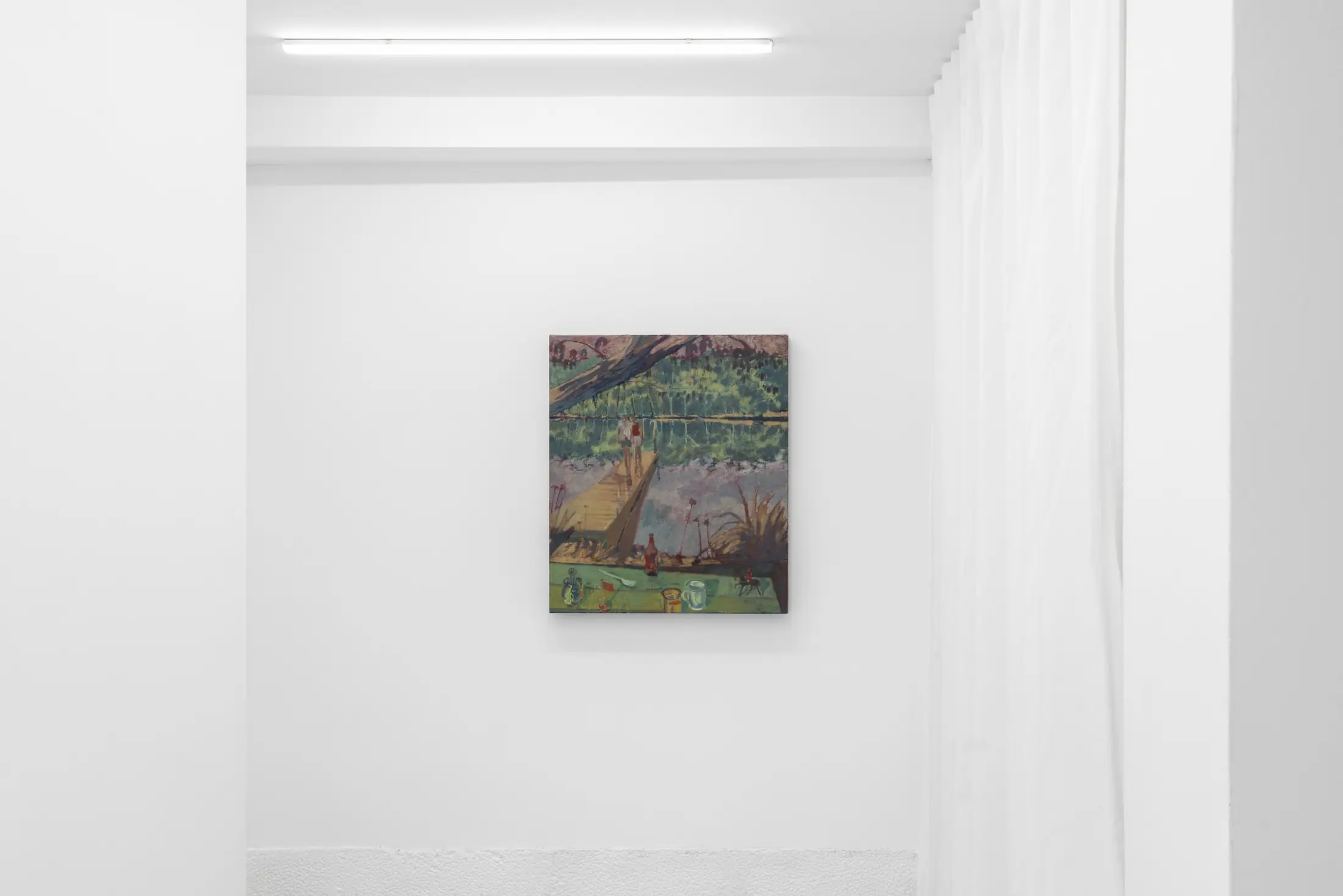
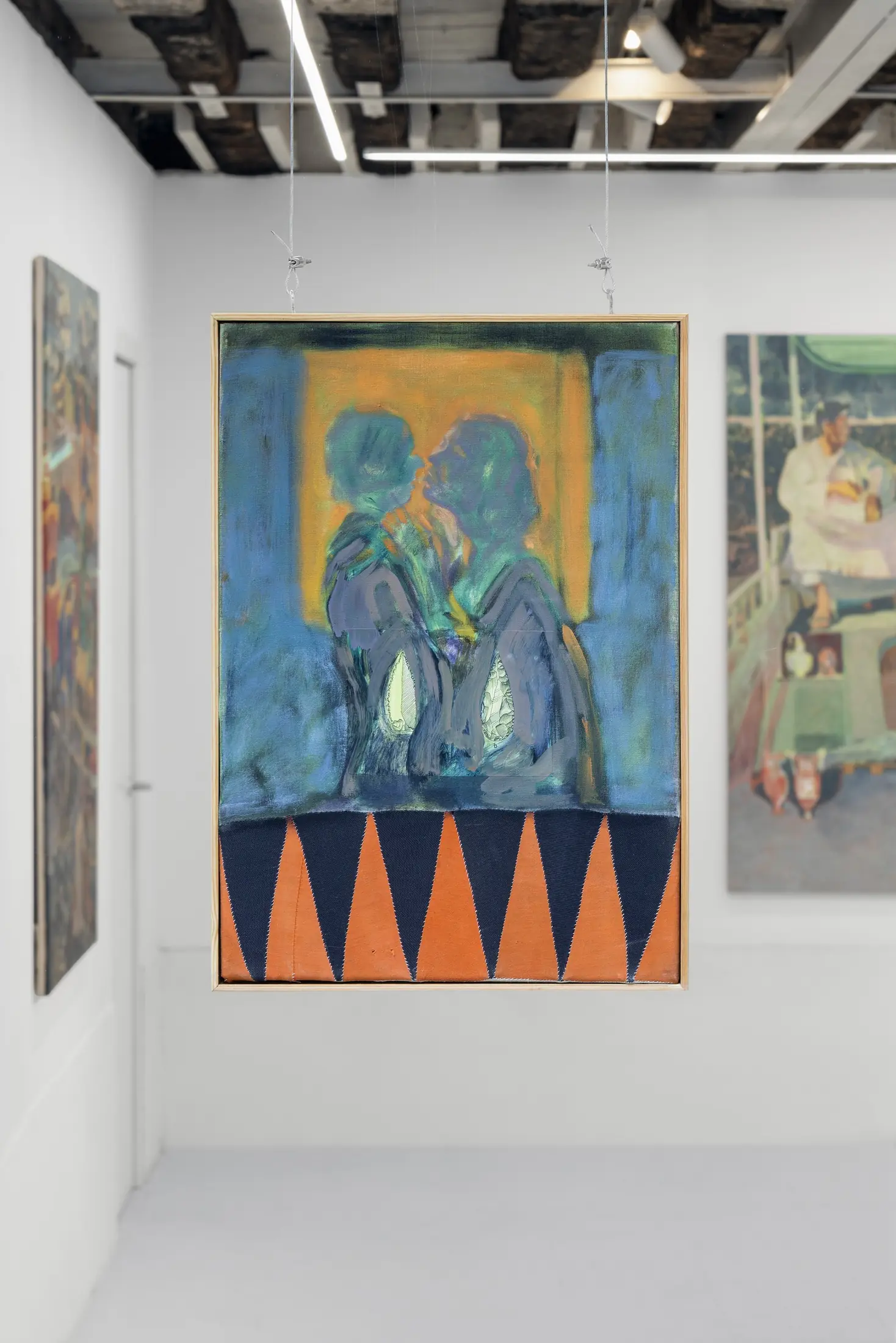
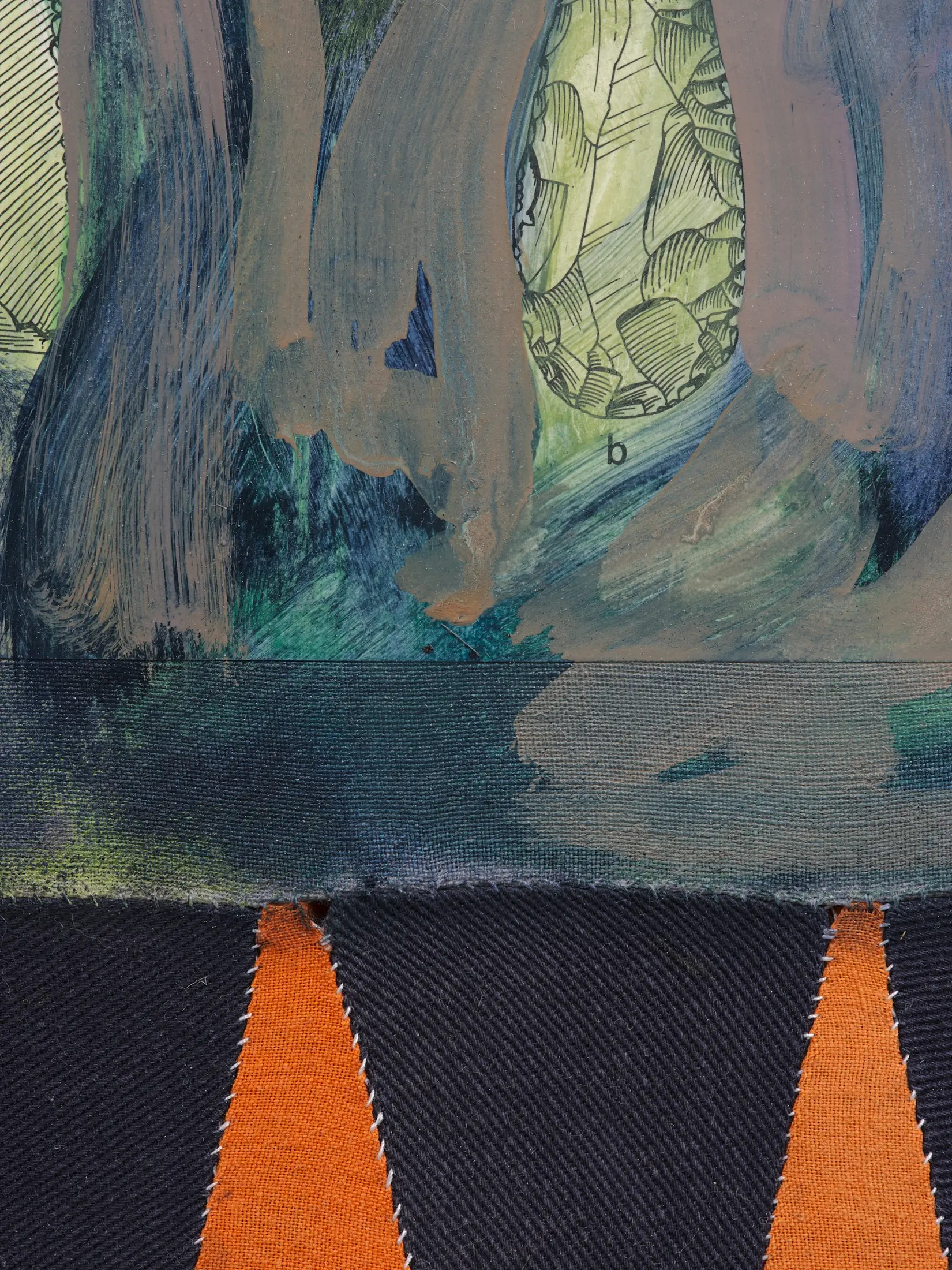
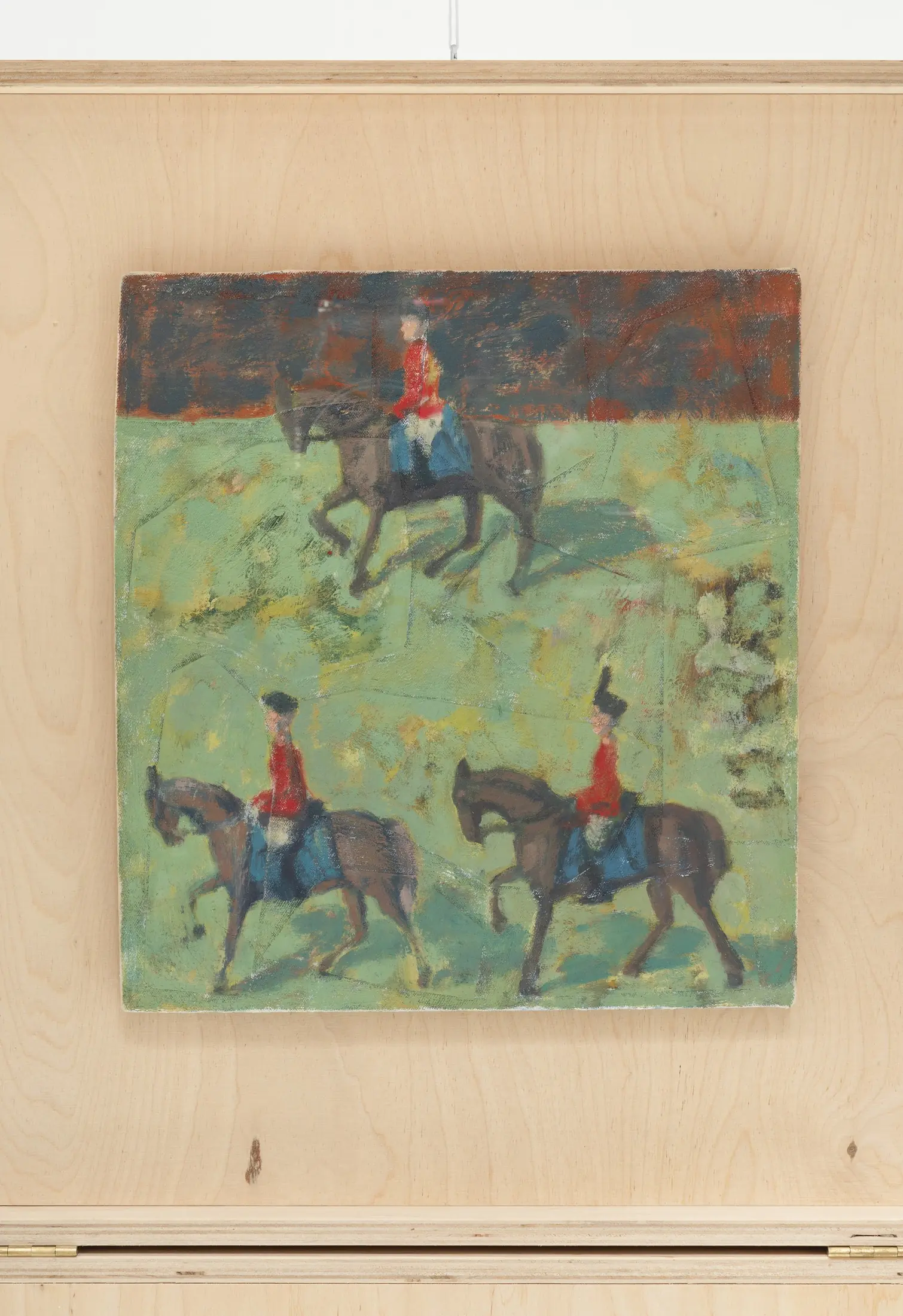
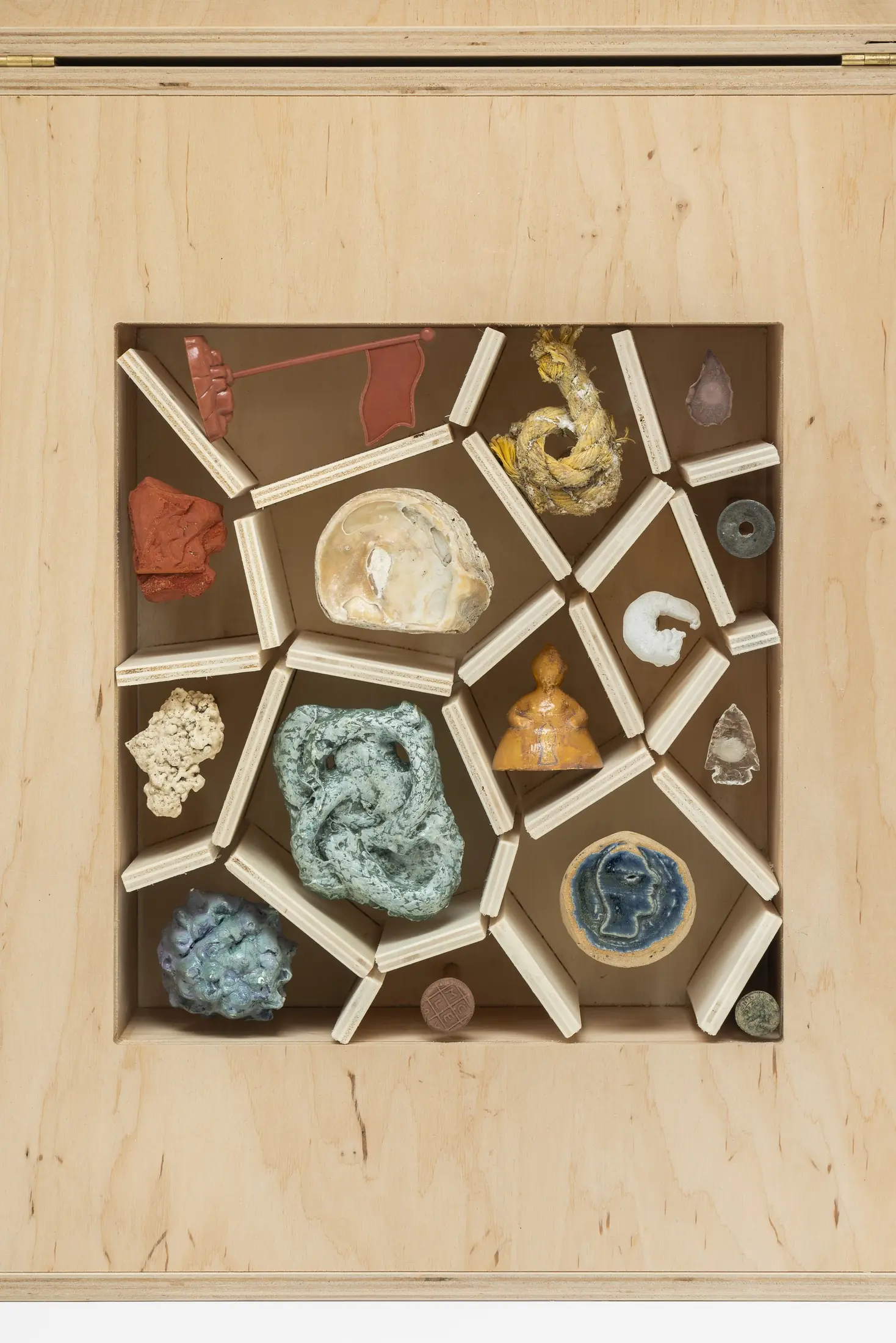
This exhibition showcases a series of new paintings, all dated 2025, developed by Leyland following his graduation from the Royal College of Art, London, and during recent travels and art residencies in Portugal and Australia. The works reflect Leyland’s deep engagement with material cultures and archaeology, and an exploration of the mysterious ways in which particular images and objects seem to accrue meaning.
The exhibition takes its title from Elizabeth Bishop’s 1934 poem “The Map”, a lyrical meditation on cartography where she explores the tension between the representation of land on a map and the living reality it abstracts.
These peninsulas take the water between thumb and finger
like women feeling for the smoothness of yard-goods.
In these lines Bishop subtly domesticates the masculine enterprise of nation building and colonisation, replacing the grand narratives of history with a geography of texture and colour that is altogether more ‘delicate’. Where the poem is seeking a mode of representation that shies away from historical forces, these new paintings by Leyland also deal with the complexity of representation.
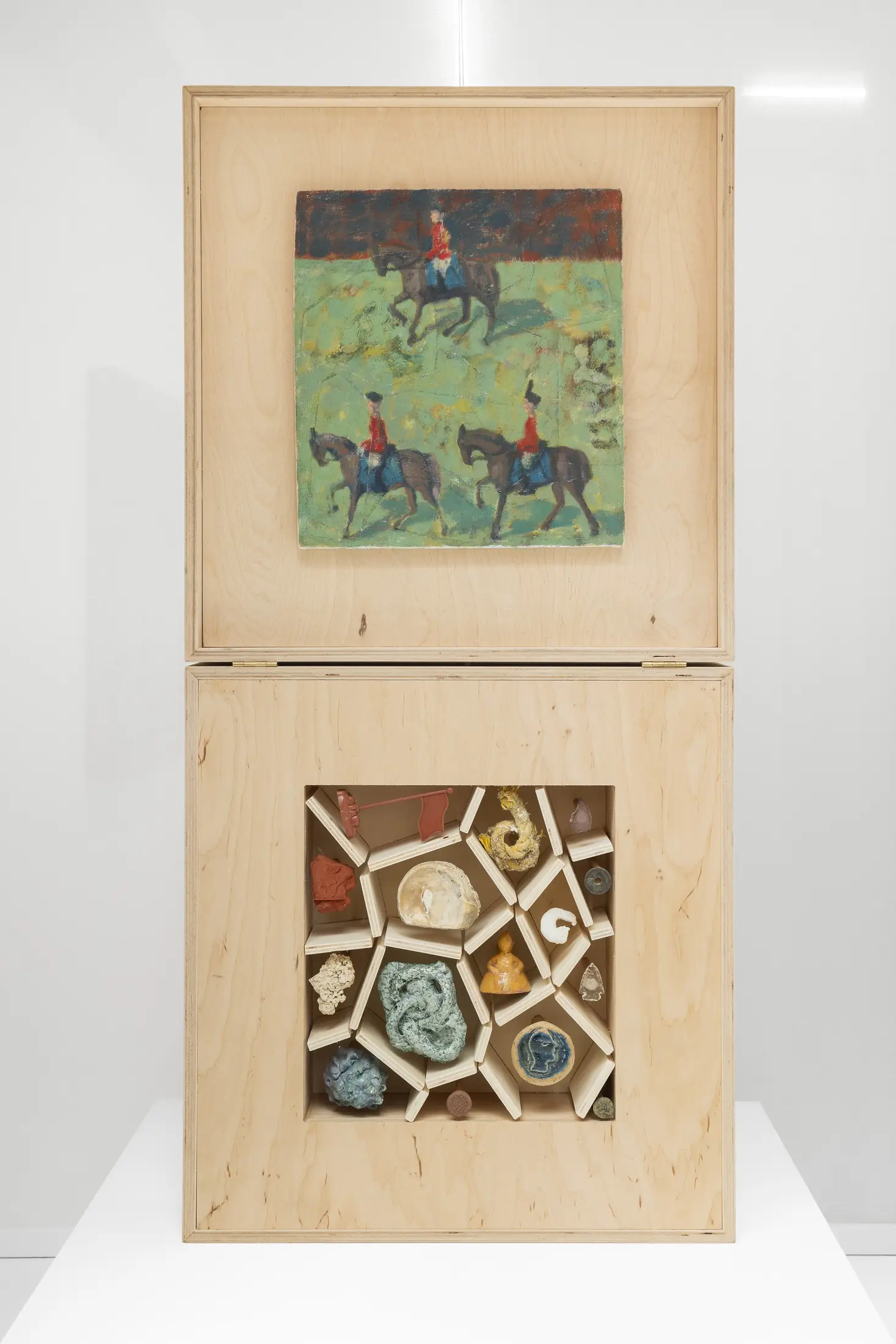
Rejecting the tautology of art as the ultimate destination for meaning, Leyland’s work remains rooted in his exploration across historical, cultural, and scientific domains. His influences are therefore eclectic: we are invited to observe connections between the archaeology of offerings; 17th-century Dutch Pronkstillevens depicting sumptuous arrangements of rare objects that arrived in Europe through the opening of trade routes from Asia; Walter Benjamin’s writings on junk shops and the emergence of clutter in the modern city; Ariella Azhouly’s writings which draw a direct link between the violence of the colonial enterprise and modern museum practices. Such gestures speak to humanity’s enduring quest to understand the world through material and visual exchanges, as well as the challenge of reconciling the act of discovery with its historical roots in conquest.
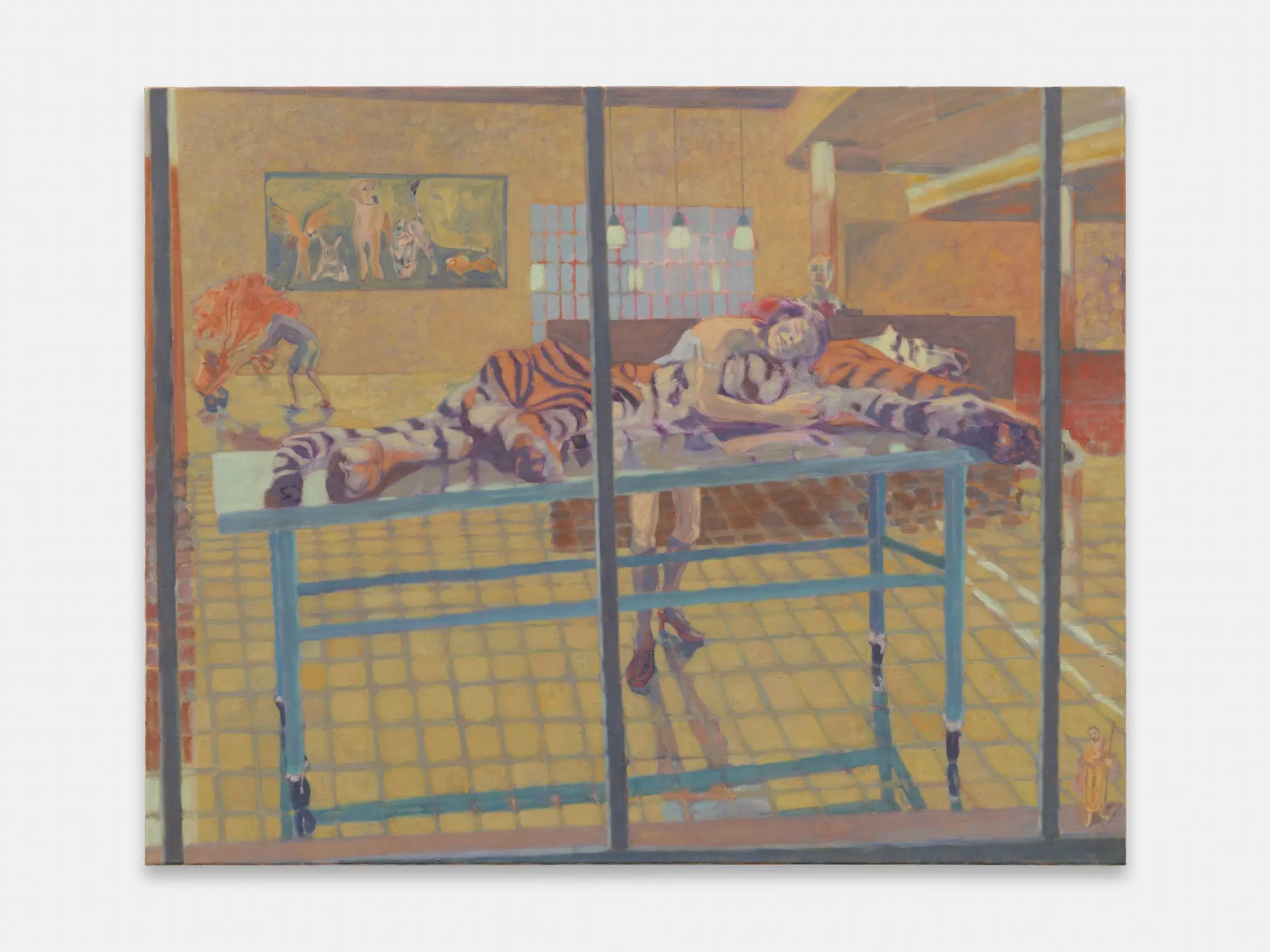
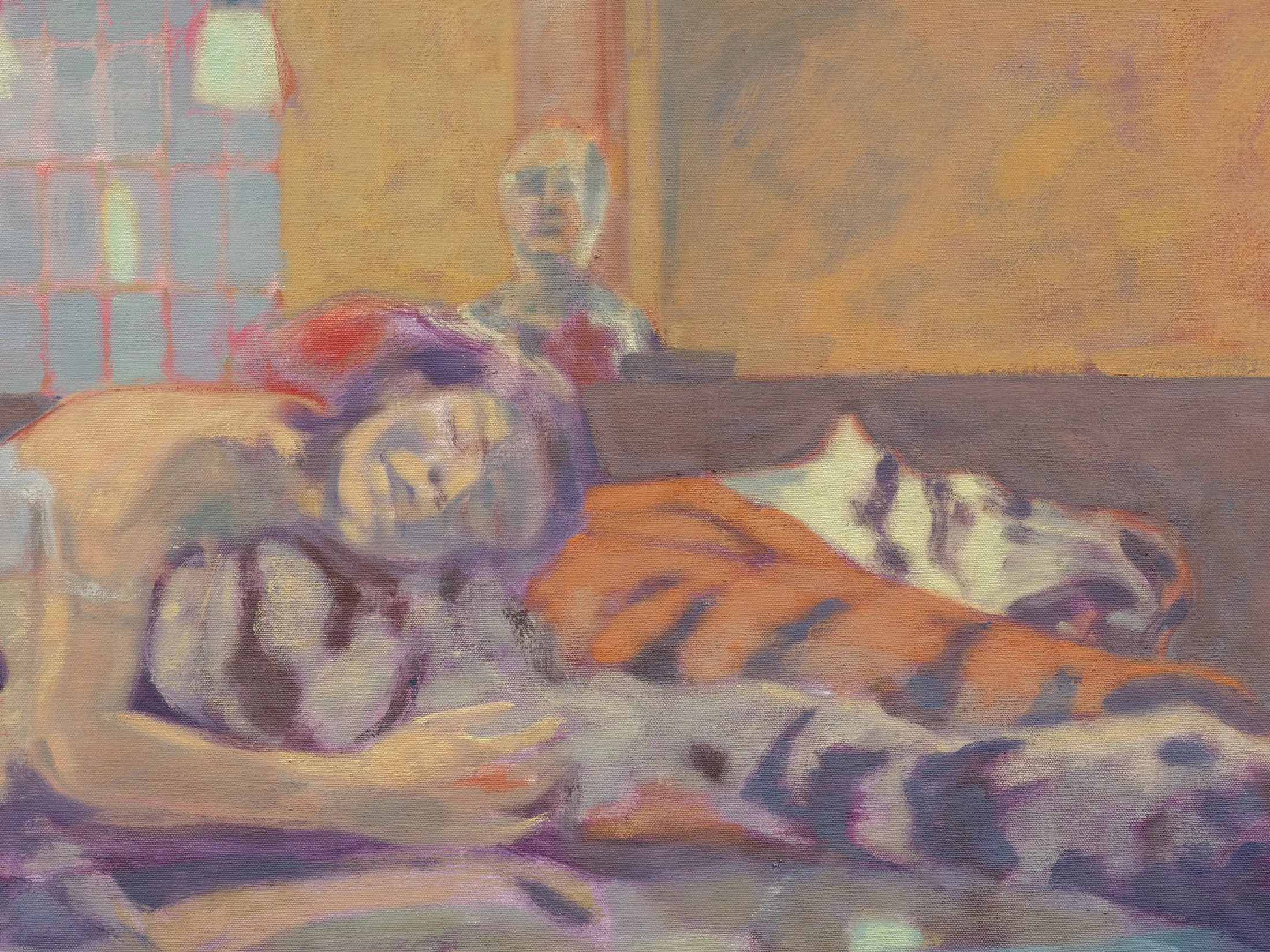
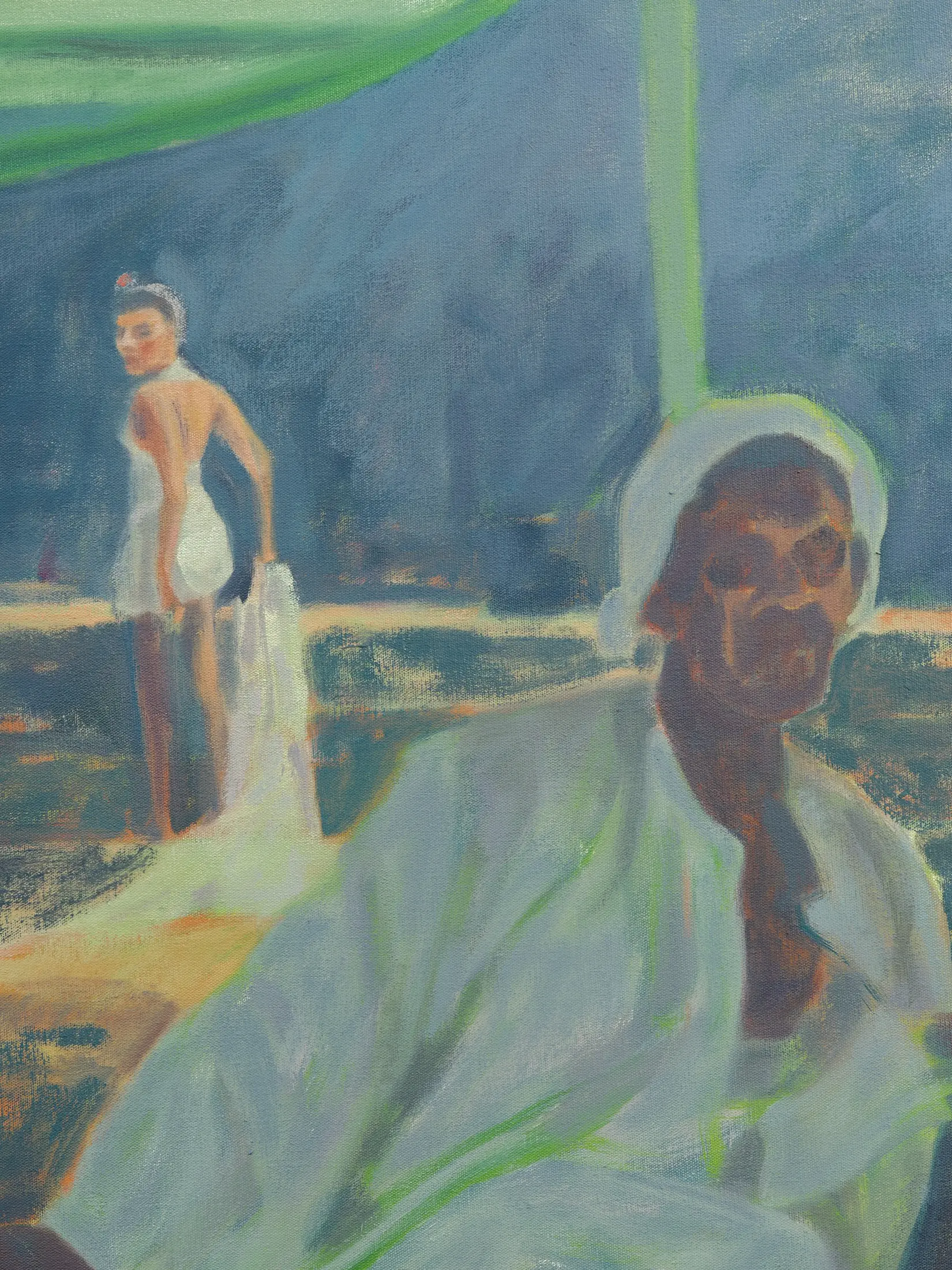
In recent months Leyland has felt the need to expand the scope of what he is painting to reflect the visual complexity and confusion that characterises his experience of being in our world today. As a result, his paintings have become increasingly populated with imagery, including depictions of illicitly traded antiquities seized from Giacomo Medici’s collection, a taxidermied tiger reclining like those photographed by Deen Dayal during the British Raj, a costumed bather from a 1950’s Hollywood epic, and a childrens’ train ride seen outside a supermarket in Barreiro, Portugal. We encounter such images throughout the paintings, and, amidst moments of bathos or ridiculousness, they seem to offer striking and alarming provocations, and yet they refuse to be interpreted.
The objects and images encountered in Leyland’s paintings, as in Elizabeth Bishop’s poems, remain potent because they seem to shrug off our expectation for them to be filled with meaning. In Leyland’s world, objects are not static; they are dynamic participants in a continual negotiation of meaning.
The Map Maker’s Colours presents a dreamlike body of work, rich with quiet yet profound explorations of memory, meaning, and the intricate dance between what’s on the surface of experience, and what is concealed beneath.
Mapped waters are more quiet than the land is,
lending the land their waves' own conformation:
and Norway's hare runs south in agitation,
profiles investigate the sea, where land is.
Are they assigned, or can the countries pick their colors?
-What suits the character or the native waters best.
Topography displays no favorites; North's as near as West.
More delicate than the historians' are the map-makers' colors.
– extract from Elizabeth Bishop: The Map (1934)